 Spotlight: Konica Minolta
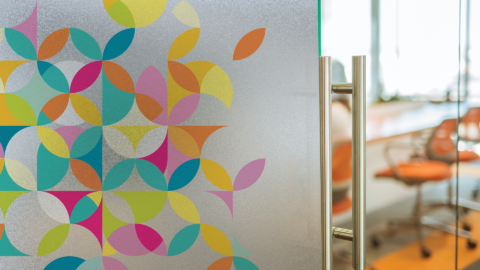
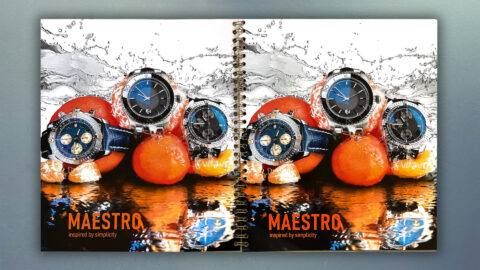
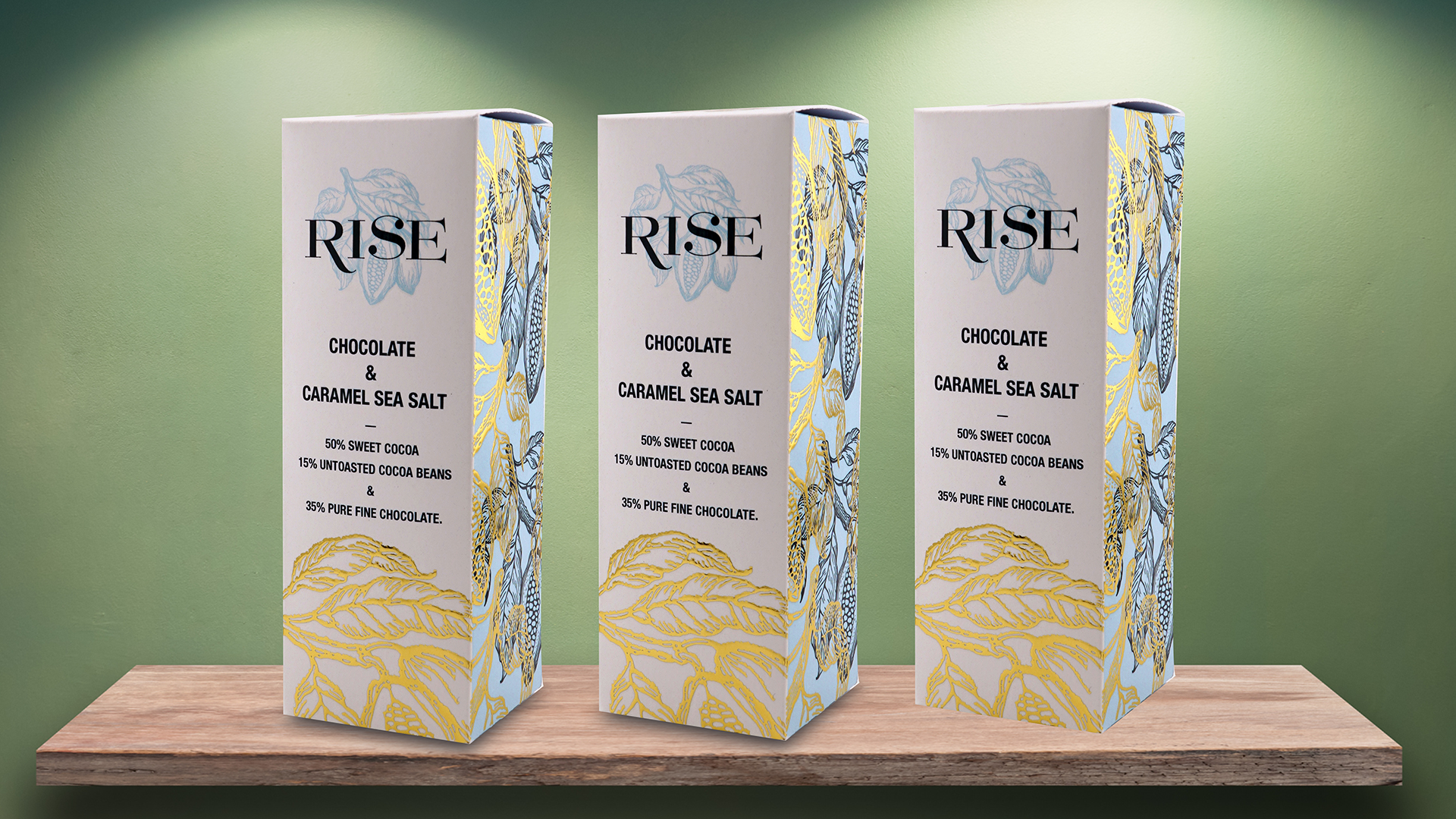
Foil. Texture. Striking visual effects. Whether you’re designing packaging, labels, marketing materials, or anything else, digital embellishments, such as those made possible by Konica Minolta and MGI’s line of presses, give you a powerful – and affordable – advantage.
Which is good because in today’s crowded, highly competitive marketplace, you can’t afford not to use them.
Neither can your clients.
What is Digital Embellishment?
While most graphic designers are familiar with digital printing, digital embellishment remains something of a mystery to many, which is a shame.
That’s because it tackles three of the biggest pain points they have.
Time and budget limits, certainly. But also the challenge of how to create work that helps their client’s products stand out from the rest, thus boosting sales and profits.
Though they come in different forms, digital embellishments provide new, cost-effective alternatives to traditional – and traditionally expensive – finishing techniques.
Digital Foiling: Bling in a Jiffy
Take foil. Everybody loves hot foil stamping. It instantly adds a sense of luxury to everything it touches, from packaging to book covers.
But it can also be budget-bruisingly expensive.
Much of that expense comes from the making of the die: the metal plate that contains your design. Not only does this require a skilled die-maker, the die-making process itself also adds extra time to the overall production process.
With polymer-based digital foiling, on the other hand, a digital enhancement press, like the Konica Minolta MGI JETvarnish 3D line with iFoil, lays down an adhesive tracing of your artwork on the paper.
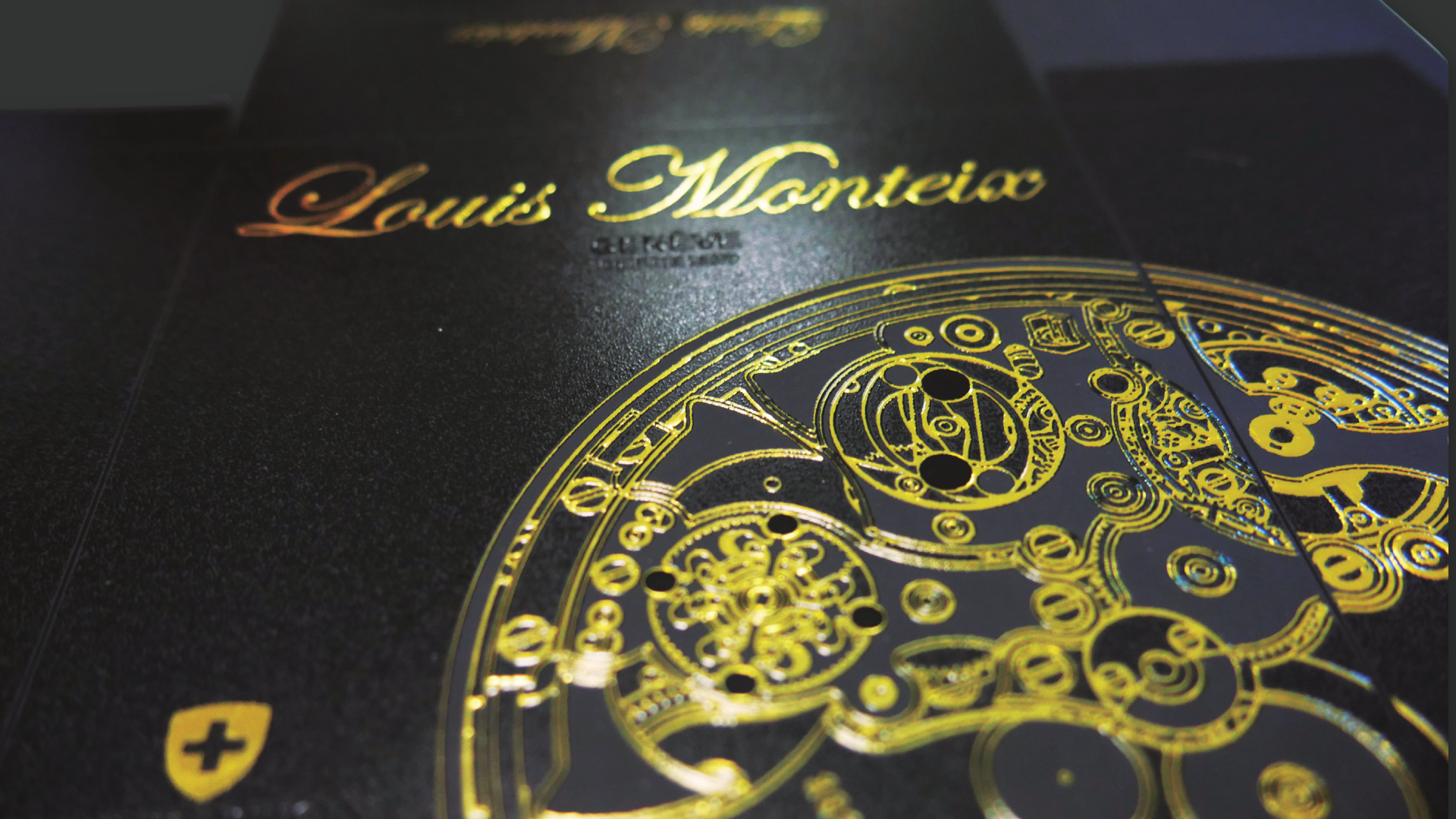
The foil is then applied, sticking only to those areas of your design. The process requires no dies, plates or films of any kind.
And because it’s a digital process, you can also:
- Customize each piece in your print run with different foiled text and artwork, similar to the way you can add different design elements and messages to pieces in digital printing.
- Stay on schedule without building in extra time for dies to be made.
You can even add 2-dimensional flat spot varnish to accent specific areas of your design to make them pop.
Each of these embellishments further enhances the appeal of your work, driving greater sales for your clients at the same time.

Digital Embossing: Luxury You Can Feel
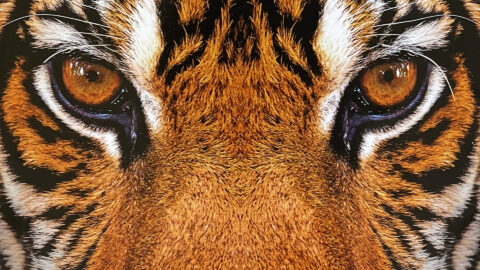
Many studies (and let’s be honest, personal experience) have shown that embossing – another finishing technique beloved by designers – also greatly increases the likelihood that potential customers will pick up and purchase whatever it’s applied to. 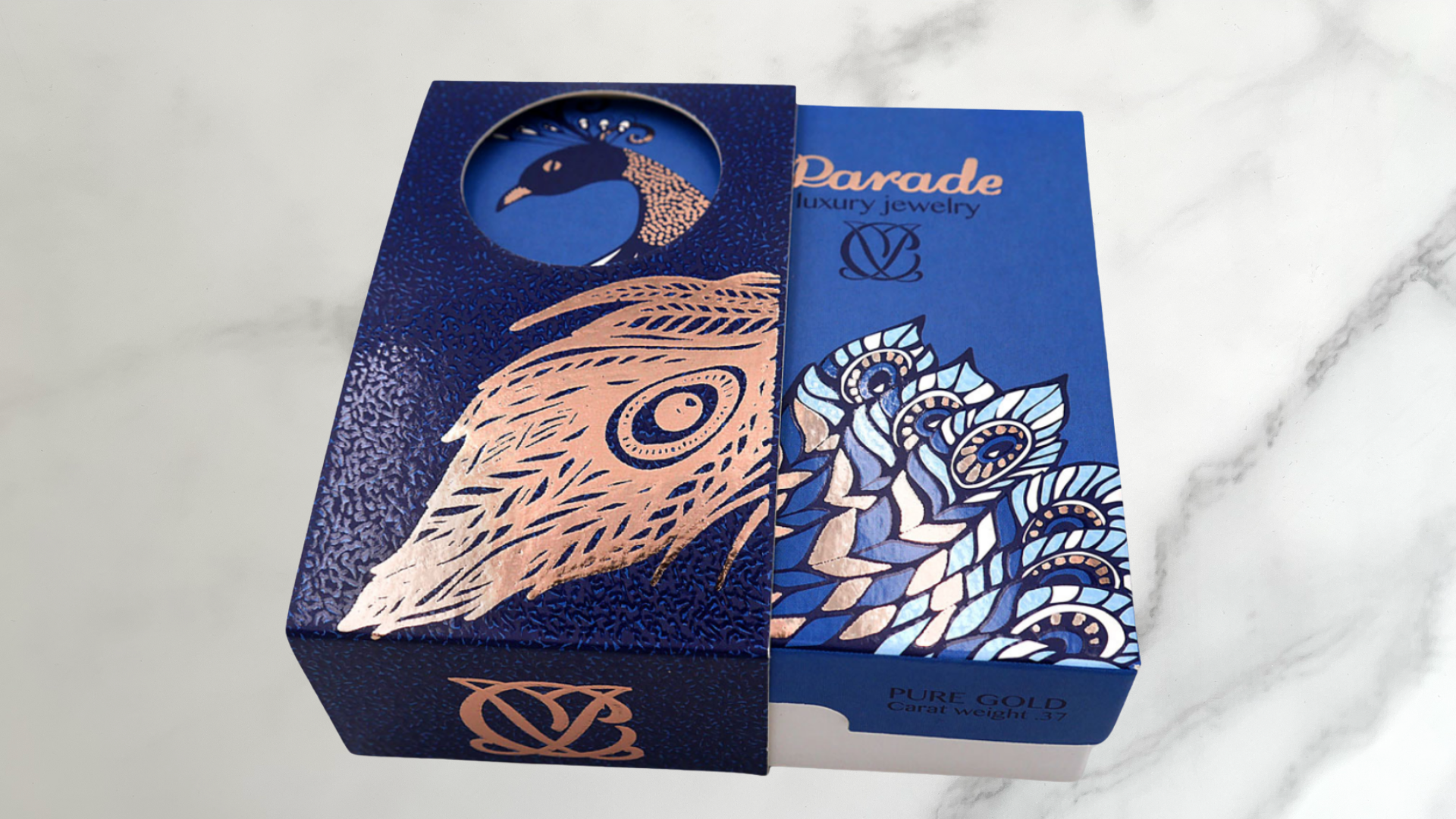
This is due in part to its tactile – or “haptic” – quality, which creates an instant bond with consumers the moment they pick up embossed packaging, books and more.
In other words, adding embossing has been shown to move more products than non-embossed ones.
Digital enhancement presses take full advantage of this haptic appeal by adding embossing-like texture to your work. They do this by printing clear polymer on top of your design, actually raising specific areas on your piece.
Not only does the effect make your work look and feel more luxurious, but you can also fine tune the level you raise the texture in a way you simply can’t using traditional embossing.
Want to make a rose more prominent on your perfume packaging? Your printing partner makes a slight adjustment and voila! Want to bring it down a notch? No problem.
And each time you make a change, you can produce a single proof to gauge the effect for yourself. Try doing this using standard embossing and you will have to go to the additional time and expense of having new embossing dies made for every single change!
What Does This all Mean?
Quite frankly, it means if you can imagine it, you can produce it quickly without blowing your budget.
And because these digital embellishments aren’t actually making an impression in the surface of your paper, you can even add foil and texture to pieces such as greeting cards while preserving a flat writing surface on the inside front cover. It’s an effective way to avoid the bruising you get with hot foil stamping and embossing.
As an additional incentive, the U.S. Postal Service even rewards you with a 4% discount for using “sensory treatments” like these on direct mail pieces, too, as part of their “Tactile, Sensory, Interactive” promotion.
And thanks to Konica Minolta and MGI’s portfolio of digital embellishment solutions – the largest in the industry – you’re sure to find a provider who can tackle any project you can imagine, be it sheet-fed or roll-fed, including:
- Business cards
- Flyers
- Menus and brochures
- Invitations and greeting cards
- Albums and calendars
- Marketing materials
- Books and magazines
- Plastic cards
- Spirit labels
- Cosmetics and pharmaceuticals
- Pouches
- Tube laminates
- Food and drinks packaging
and more.
Use one technique, or combine them on a wide range of substrates, including paper, plastic and synthetic materials. The choice is yours.
Where Can I See (and Feel) This For Myself?
Great question – how about your own front door?
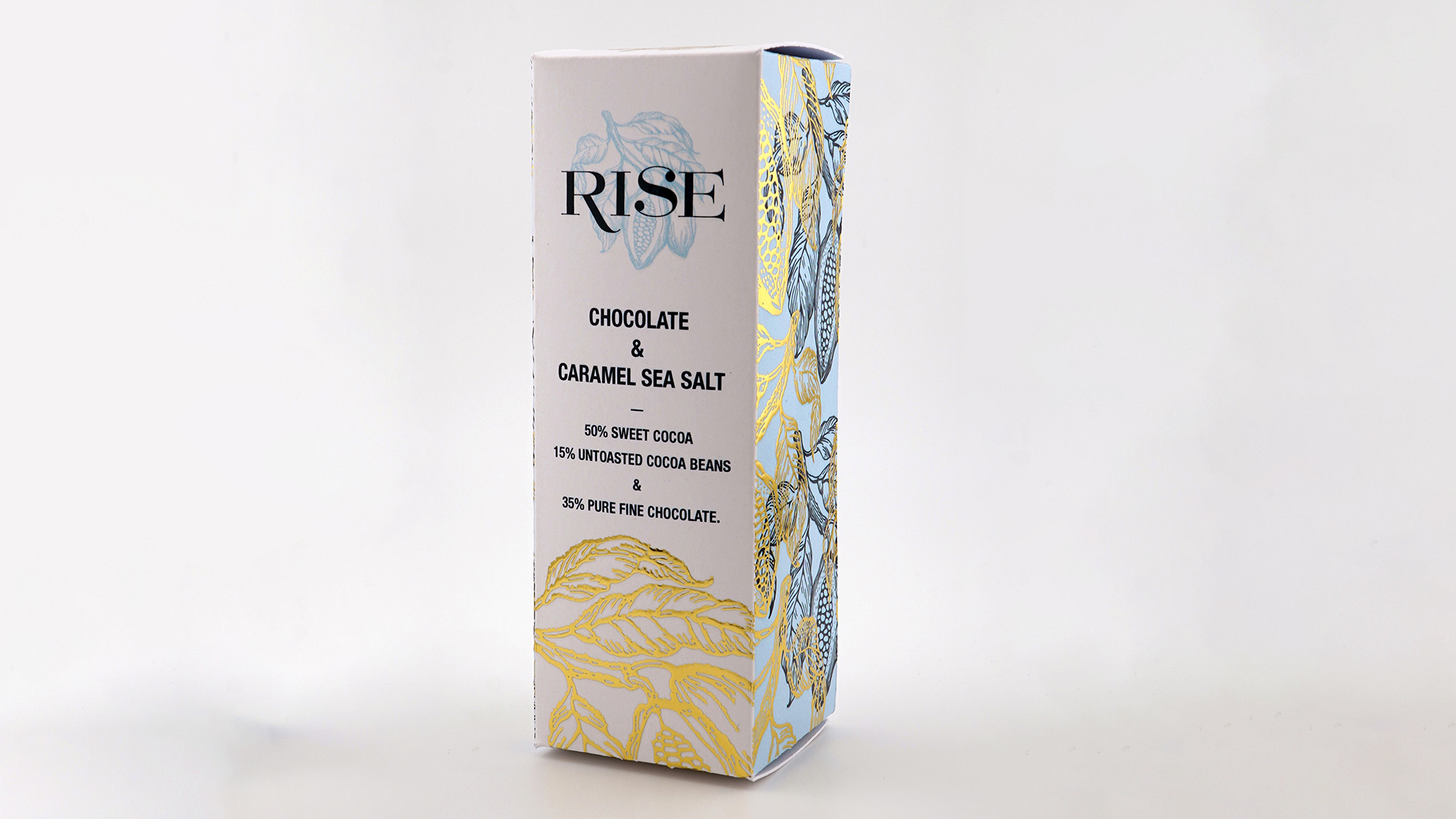
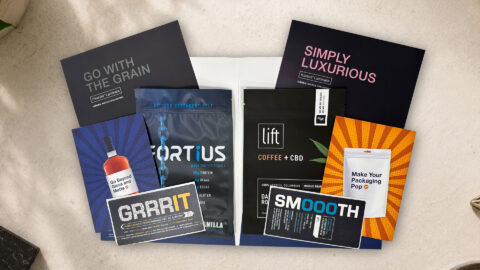
Enter to win 1 of 250 digitally embellished sample boxes from Konica Minolta right now! Hurry, this contest ends March 27, 2025. (North American entries only, please.)
[SAMPLE REQUESTS ARE NOW CLOSED]
As a reminder, if you are a PRO member, you can get your copy for free in the PRO portal (click the button below). Not a PRO Member yet? Explore PRO Membership
PRO MEMBERS: GET YOUR COPY HERE!